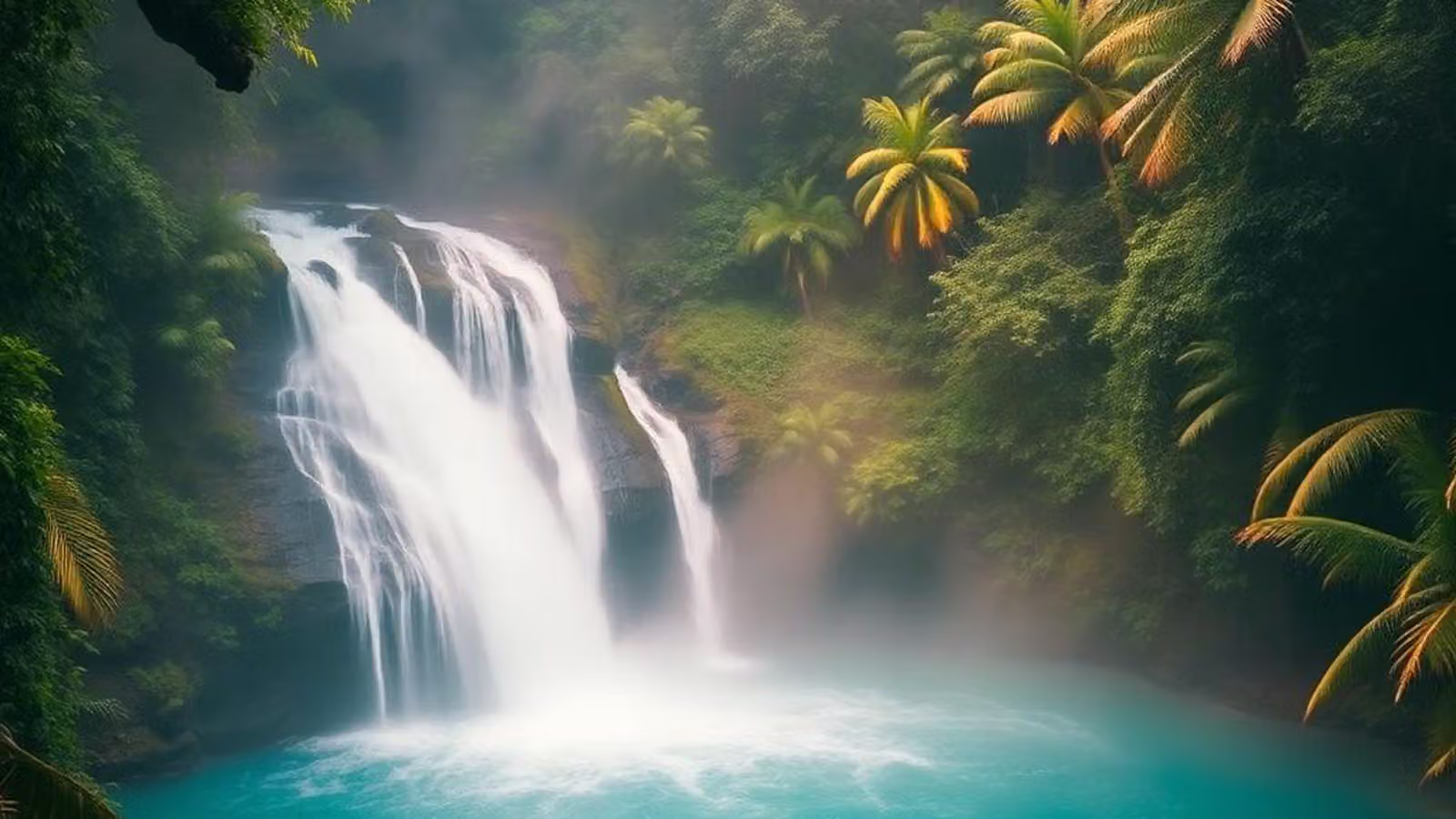
A jungle waterfall falling into a turquoise pool ringed by palms in Costa Rica
Costa Rica

Yoga & Wellness Retreats in Costa Rica

A Blue Zone of Rainforest, Coast & Pura Vida

the country

Life inside a Blue Zone

Pura Vida! Costa Rica is a paradise of lush rainforests, active volcanoes, and pristine beaches. Whether you're ziplining through the cloud forests, spotting sloths in the dense treetops, or surfing the Pacific waves in Playa Hermosa, adventure is everywhere.

This eco-friendly haven is perfect for nature lovers, offering vibrant wildlife, tropical waterfalls, and a laid-back lifestyle that will steal your heart. Discover why Costa Rica is a Blue Zone of our planet, a place where a deep sense of community, indigenous fruits, fresh seafood, and beans and rice come together for an explosion of culinary delight.

Let the primitive sounds of howler monkeys, wild horses, tropical scents and warm breezes transport you to the life of Pura Vida, where your connection to nature fills every cell and the quiet wonder of life settles in.

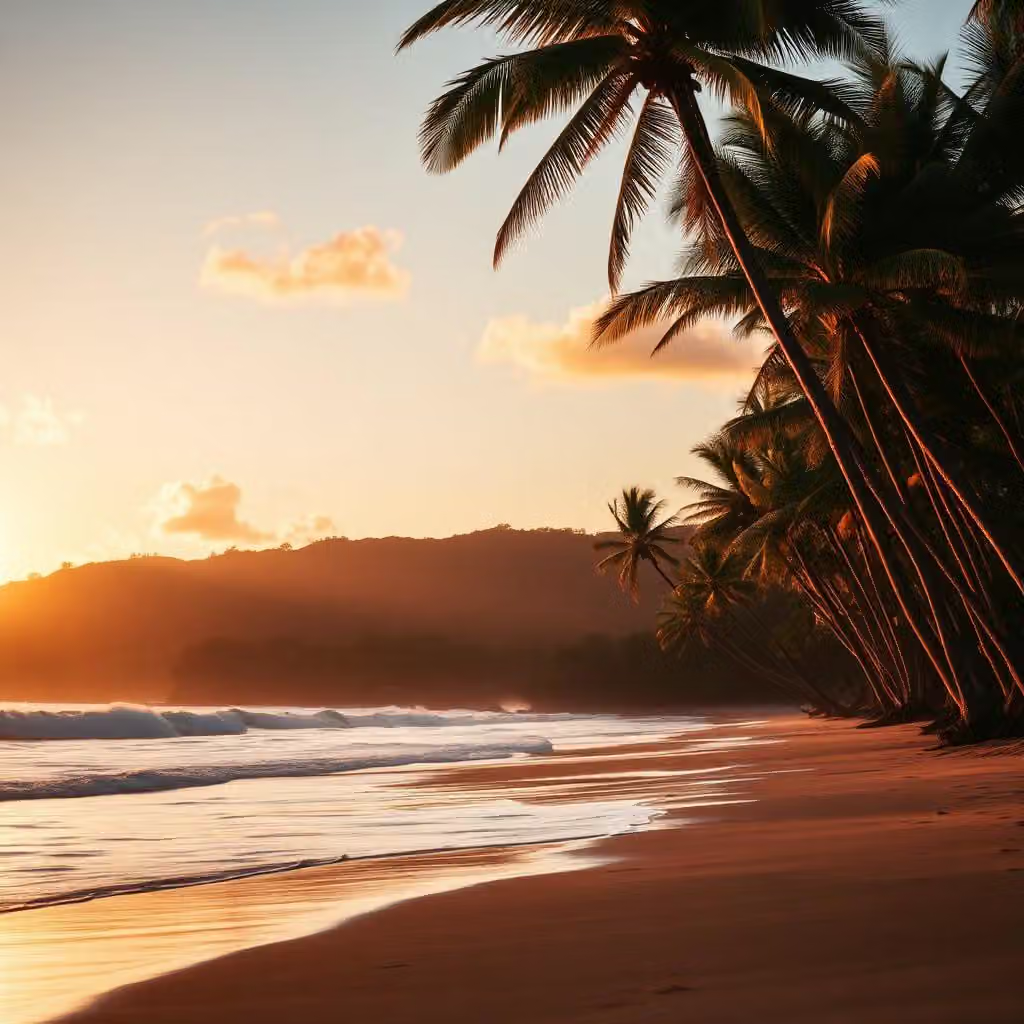
Palms leaning over an empty Pacific beach at sunset
the journeys

Our Nicoya Peninsula retreat

A boutique wellness journey shaped around the rhythm of Costa Rica.

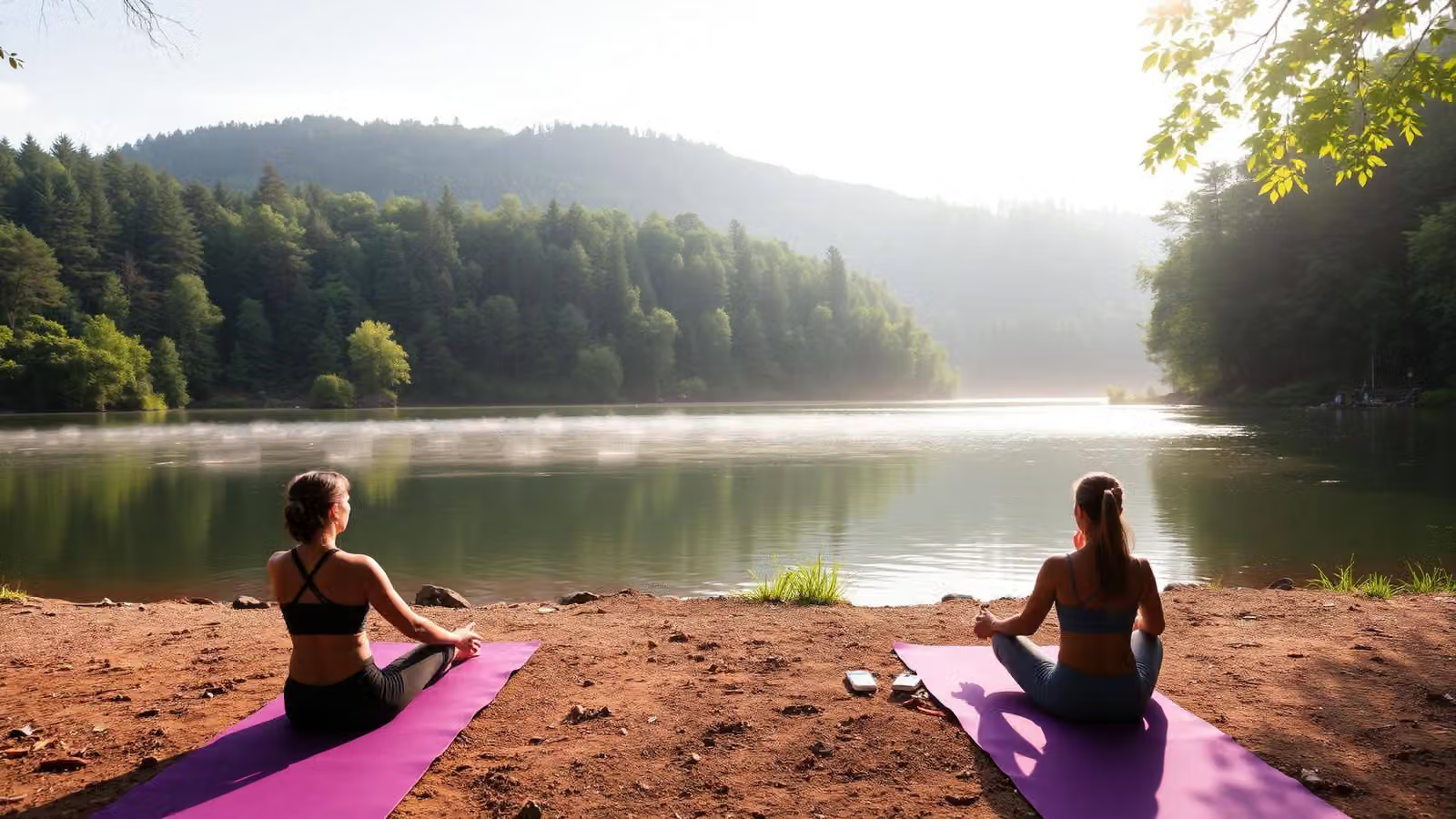
Salt & Sound: The Garden of Eden retreat imagery
7 DaysCosta Rica
Nicoya Peninsula: Blue Zone Living

Salt & Sound: The Garden of Eden

AccommodationDaily Breakfast & Dinner
an invitation

Come to Costa Rica to move slower, listen closer, and let the wild edges of the world reset your rhythm.

the retreats, up close

Rainforest mornings, Pacific afternoons

Salt & Sound: The Garden of Eden retreat imagery
7 Days · Nicoya Peninsula: Blue Zone Living

Salt & Sound: The Garden of Eden

A slow week along Costa Rica's Nicoya Peninsula, one of the world's few Blue Zones for longevity, designed around ocean swims, jungle waterfalls, and the unhurried rituals of Pura Vida life.

planning a Costa Rica retreat

Choosing your month in Costa Rica

The country runs on a dry season and a green season rather than summer and winter, and the difference between coasts matters. Our Guanacaste retreats sit on the north Pacific, which is the driest region in the country.

December to April is the dry season: reliable sun, dusty landscape by March, warm water and the highest prices and occupancy of the year. Late November and early December give you the same weather with a greener landscape, which is why we like those weeks. May and June are the start of the green season and are genuinely good value, with bright mornings and a predictable afternoon downpour that a well-built schedule can simply work around.

September and October are the wettest months on the Pacific side and we generally avoid them for groups. The Caribbean coast runs on an almost inverted pattern, which is worth knowing if you have read a weather summary for the country as a whole and drawn the wrong conclusion about your particular week.

What the practice looks like here

Costa Rica is humid, and humidity changes the practice. Morning sessions run early and strong, from around six-thirty, before the temperature and the moisture in the air make a vigorous flow unkind. Afternoons want restorative work, breath practice, sound or yoga nidra rather than a second full flow.

Open-air shalas are the norm and they are wonderful: howler monkeys at dawn, rain on a palm roof, no walls between you and the forest. They also mean insects, humidity in the props, and a floor that needs care when everyone is damp. Any leader planning here should ask specifically about fans, mat storage and what happens to the room in a hard afternoon rain.

The other Costa Rican strength is that the surroundings do half the teaching. Surfing, waterfalls, horseback riding and sound work in the forest all fold naturally into a wellness week, and travellers who arrive claiming they cannot switch off usually do so faster here than anywhere else we work.

Flights, entry rules and travel days

Neither US nor EU passport holders need a visa for ordinary tourist stays in Costa Rica; entry is granted on arrival for a period set by the immigration officer, commonly up to ninety days. Travellers should carry proof of onward travel and hold a passport valid comfortably beyond their stay, and should check the current requirements for their own nationality before booking.

For Guanacaste, fly into Liberia rather than San José if you can. Liberia is roughly an hour from most of our bases; San José is four to five hours away by road, which turns an arrival day into a lost day. Liberia has direct services from several US cities; European travellers usually connect through Madrid, a US hub or Panama City.

Roads in Guanacaste are mostly good and occasionally not; the last stretch to a beach property can be gravel. That is normal, and it is a reason we use local drivers who know the route in the dark rather than a group of self-drive rentals.

Who Costa Rica suits, and who it does not

It suits North American groups above all, because the flight is short and the time difference negligible. It suits first-time international retreat leaders, mixed-ability groups, and anyone whose brief mixes wellness with a bit of adventure.

It suits nature-minded travellers who genuinely want the forest at close range, insects included, and who will be delighted rather than alarmed to be woken by howler monkeys at half past five.

It does not suit travellers who want dry heat, cool nights or European-style cultural sightseeing. It is also a poor fit for anyone expecting a bargain: Costa Rica is the most expensive country in Central America and its dry-season pricing reflects that.

What it realistically costs to get here

From the US, return fares to Liberia commonly run between 350 and 700 dollars from eastern and southern hubs, more from the west coast and considerably more over the Christmas and Easter peaks. From Europe, expect roughly 700 to 1,100 euros return with one or two connections, and a travel day of eighteen hours or more door to door.

There is a departure tax, usually already included in the ticket price, and travellers should budget for tips and a little cash for local guides and drivers. Once on the ground, food and accommodation cost closer to US than to Central American levels.

For leaders, the practical planning consequence is the arrival window. Get the group into Liberia in daylight where possible, keep the first evening light, and start the real programme on the morning of day two.

let's begin

Plan your Pura Vida week

Tell us the season, the pace, and the feeling you're chasing in Costa Rica, we'll shape the rest.